

By Emily Martinez
Unprecedented Displacement and Its Consequences
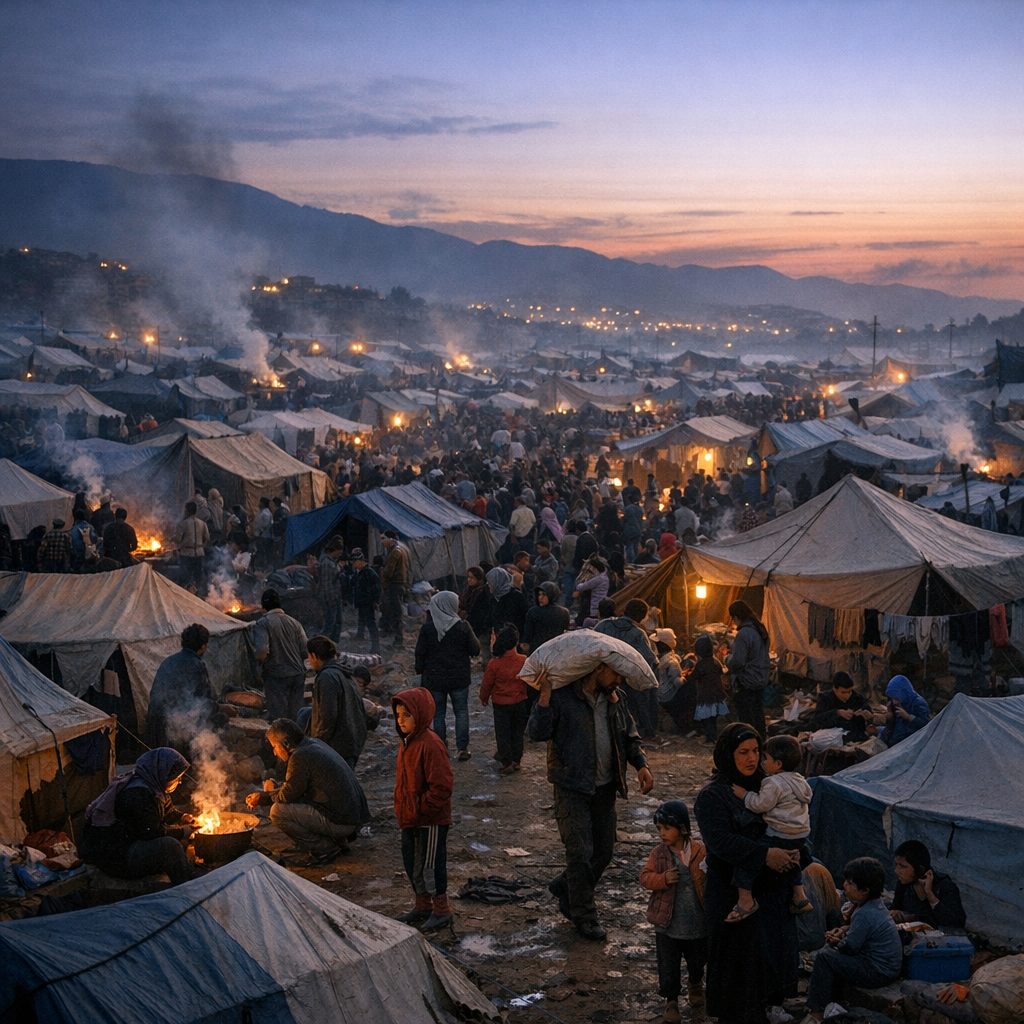
Today, more than 117 million people globally are forcibly displaced due to conflict, persecution, human rights abuses, or other crises. This includes refugees, asylum seekers, internally displaced persons (IDPs), and stateless individuals. The figure reflects a slight decline in the number of refugees in 2025 but underscores just how far global displacement remains from safe or just resolution. Many returning refugees and IDPs face precarious conditions, in regions such as Syria, Sudan, and the Democratic Republic of the Congo. Physical safety, access to basic services, and reliable reconciliation remain difficult in many places. (UNHCR Global Trends; UNHCR report summaries)
Where Displaced People Live
Low- and middle-income countries continue to bear the brunt of the humanitarian burden, hosting the vast majority of displaced populations. Roughly two-thirds of refugees and people in refugee-like situations are in countries neighboring their countries of origin. Internally displaced people (those who remain within their home countries) represent the largest share of displacement worldwide, with many lacking access to secure housing, health care, and education.
The Difficult Road Toward Durable Solutions
Returning home is often presented as the ideal outcome—but in many instances, returns happen even when local infrastructure, security, and basic services are under strain. Reintegration remains a major challenge. For those who don’t return, asylum processing and resettlement options are limited. Meanwhile, humanitarian funding gaps grow ever more severe as needs rise. Host communities themselves strain under delayed aid, collapsing support systems, and political instability.
Climate Diplomacy’s Changing Role
In parallel, climate change is reshaping global security, diplomacy, and humanitarian priorities. As environmental stressors deepen, their link to displacement becomes increasingly clear. Droughts, flooding, and extreme weather disproportionately affect already fragile regions, exacerbating conflict and migration pressures.
Evolving Approaches in Negotiation and Action
Climate diplomacy is moving beyond high-stakes, slow consensus-making platforms toward more flexible, implementation-focused coalitions. Cities, businesses, Indigenous leaders, and civil society groups are playing critical roles alongside governments. Negotiations like those seen at recent UN climate meetings have emphasized practical steps: adjusting rules for cooperation on emissions reductions, scaling adaptation funding, and transforming energy and infrastructure systems.
Why Tucson and Readers Should Care
Even though many displaced people are far from Southern Arizona, global displacement and climate diplomacy shape everything from migration policy to local climate risk. Tucson’s position near the U.S.–Mexico border means that shifting migration flows, international humanitarian policy, and border conflicts have local echoes. At the same time, as extreme weather becomes more frequent in Arizona, decisions about climate funding, energy policy, and resilience abroad feel closer to home.
The global landscape of displacement and diplomacy is far from settled. Durable peace, more robust systems for asylum and resettlement, meaningful adaptation to climate stress, and shared responsibility across countries and sectors remain critical to making progress.