

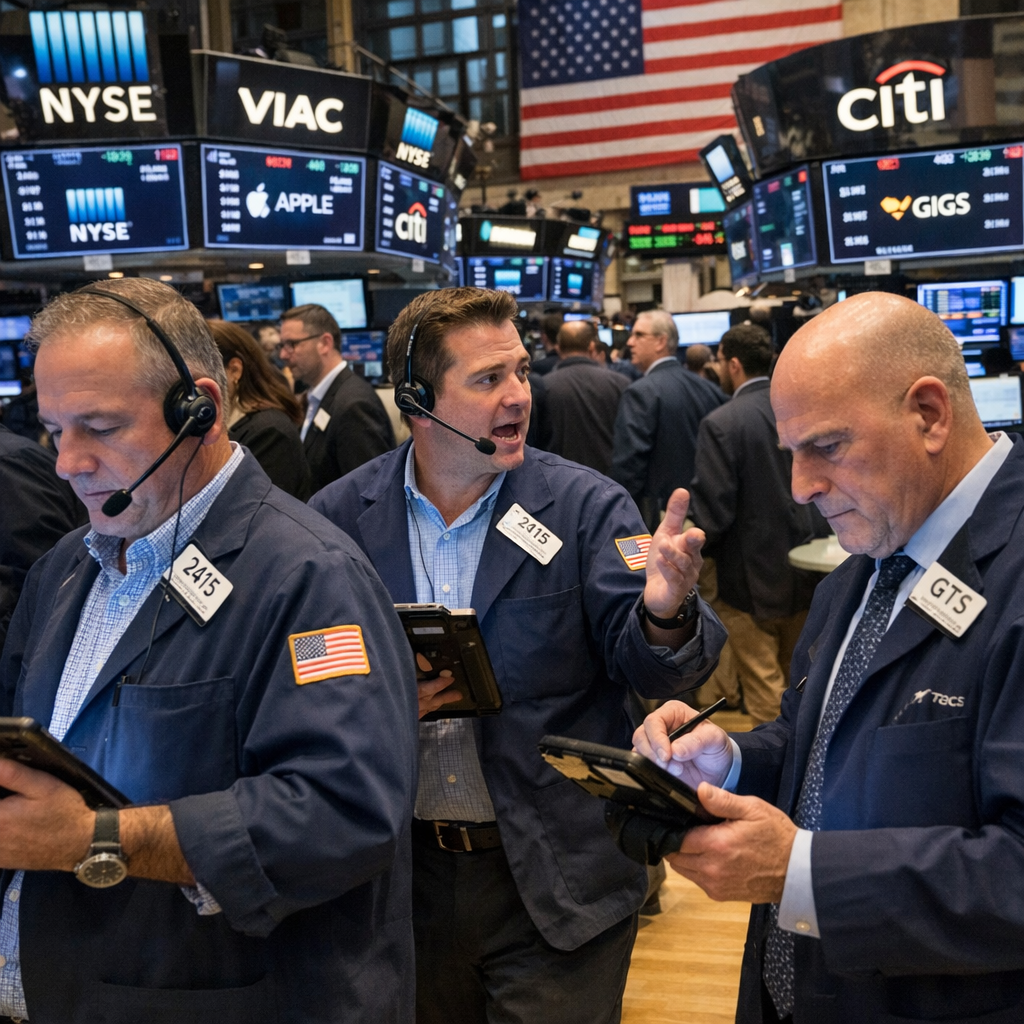
The U.S. economy is currently experiencing a period of steady expansion, though certain challenges persist. Recent data indicates that while the economy has rebounded from previous contractions, growth rates in the last two quarters have been lower than anticipated. The labor market continues to add jobs; however, there is a noticeable increase in long-term unemployment. Inflation, although below its peak, remains a concern for policymakers and consumers alike.
Trade Policies and Economic Impact
Trade policies have been a significant factor influencing the economic landscape. The administration’s proposed tariffs, set to take effect in July 2026, have introduced uncertainties in various sectors. These measures aim to address trade imbalances but have also raised concerns about potential retaliatory actions from trade partners and the broader implications for global trade dynamics.
Federal Reserve’s Role
The Federal Reserve continues to monitor multiple economic indicators to guide its decisions on interest rates. With the economy showing signs of both resilience and vulnerability, the Fed’s approach remains cautious, balancing the need to support growth while keeping inflation in check.
Looking Ahead
As the nation navigates these economic currents, it is crucial for policymakers, businesses, and consumers to stay informed and adaptable. The interplay between domestic policies and global economic trends will undoubtedly shape the trajectory of the U.S. economy in the coming months.