
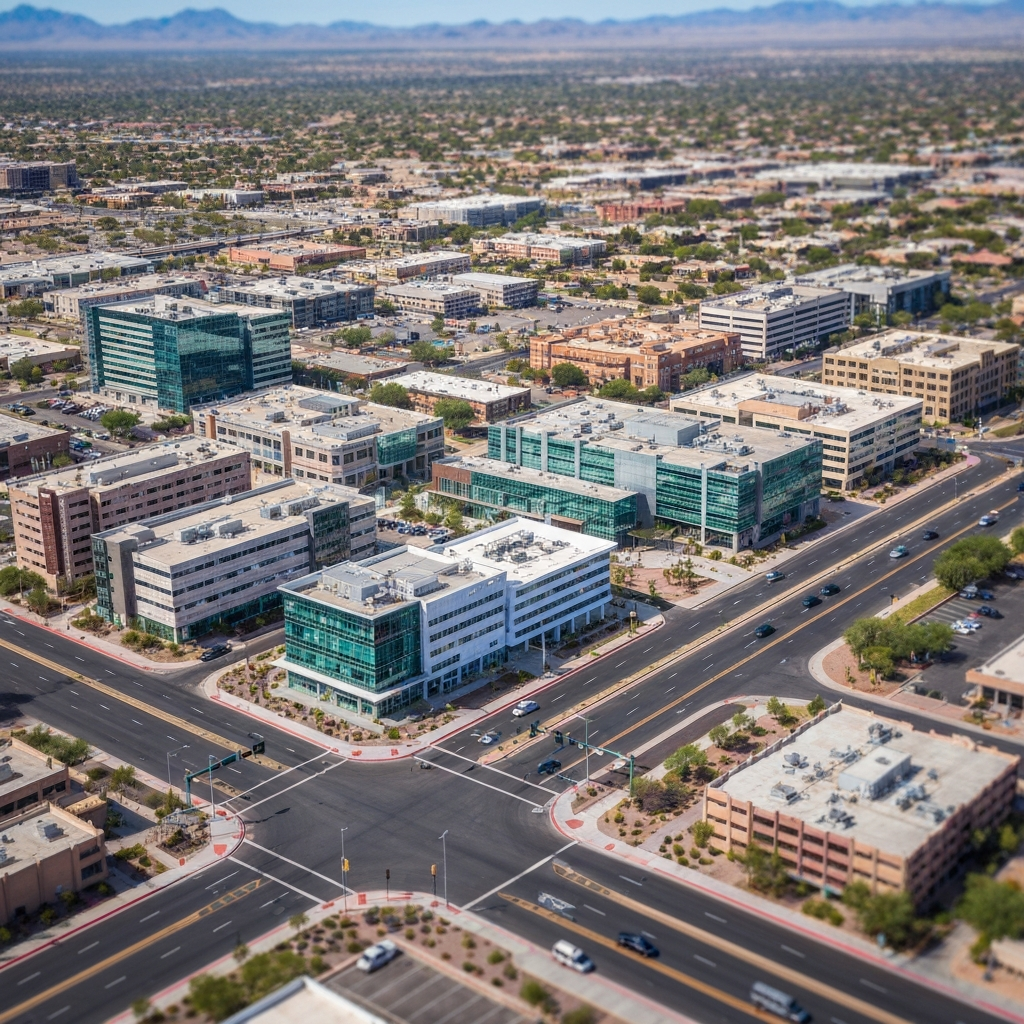
Tucson, traditionally celebrated for its rich cultural heritage and picturesque desert landscapes, is now gaining recognition as a burgeoning hub for technology and innovation. This transformation is driven by a combination of supportive infrastructure, a collaborative community, and a commitment to integrating advanced technologies into everyday life.
Fostering Startups and Innovation
Central to Tucson’s tech evolution is the University of Arizona Center for Innovation (UACI), which provides space and incubation programs for scalable science and technology startups. Companies like Nanomoneo, a biotechnology instrument firm, have chosen UACI for their applied research operations, contributing to the region’s economic growth and technological advancement.
Complementing UACI’s efforts is Startup Tucson, an organization dedicated to supporting entrepreneurs through programs, mentorship, and community-building initiatives. Their events, such as the TENWEST Impact Festival, create platforms for innovators to connect and collaborate, further strengthening Tucson’s entrepreneurial ecosystem.
Integration of AI into Daily Life
Artificial Intelligence (AI) is increasingly becoming a part of daily life in Arizona. For instance, the Arizona Health Care Cost Containment System (AHCCCS) utilizes a chatbot named SAM to assist members with common inquiries, enhancing efficiency and accessibility in healthcare services.
In the realm of transportation, companies like Waymo are deploying AI-powered autonomous vehicles on Arizona’s roads, showcasing the state’s openness to innovative mobility solutions.
Building a ‘Silicon Desert’
The term ‘Silicon Desert’ aptly describes Tucson’s commitment to becoming a thriving technology hub. With established industry giants like Raytheon and emerging startups in sectors such as aerospace, optics, and biotechnology, the region is actively developing an ecosystem that welcomes and supports technology companies.
Organizations like Tech Parks Arizona play a pivotal role in this development by managing research parks and business incubators that support technology commercialization and regional economic development.
Conclusion
Tucson’s transformation into a tech hub is a testament to the city’s dedication to innovation and growth. By fostering startups, integrating AI into various sectors, and building a supportive ecosystem, Tucson is positioning itself as a leader in the technology landscape, offering exciting opportunities for entrepreneurs and residents alike.